

Field Camp Setup and Support
Your Crew Needs a Place to Sleep. We’ll Handle Everything Else.
Running an exploration program in remote terrain is complicated enough without managing camp logistics. Since 1987, Minconsult has planned, mobilized, and constructed field camps across North America’s most isolated locations: from Newfoundland’s rugged coast to Banks Island in the Northwest Territories, from northern Ontario through northern Alberta and into the Yukon. We deliver complete turnkey camp solutions that let your team focus on geology and drilling rather than generator fuel and kitchen supplies.
Whether you’re running a lean grassroots program with a handful of geologists or supporting active drilling with 50+ people on-site, we can handle the full scope. Cost comparisons, equipment sourcing, helicopter mobilization, camp construction, and decommissioning at program end. Our camps are built for northern conditions: portable, flyable, and designed to function reliably when you’re weeks from the nearest supply run.
Our Field Camp Services
Planning
Mobilization
Construction
Infrastructure
Support systems
Decommissioning
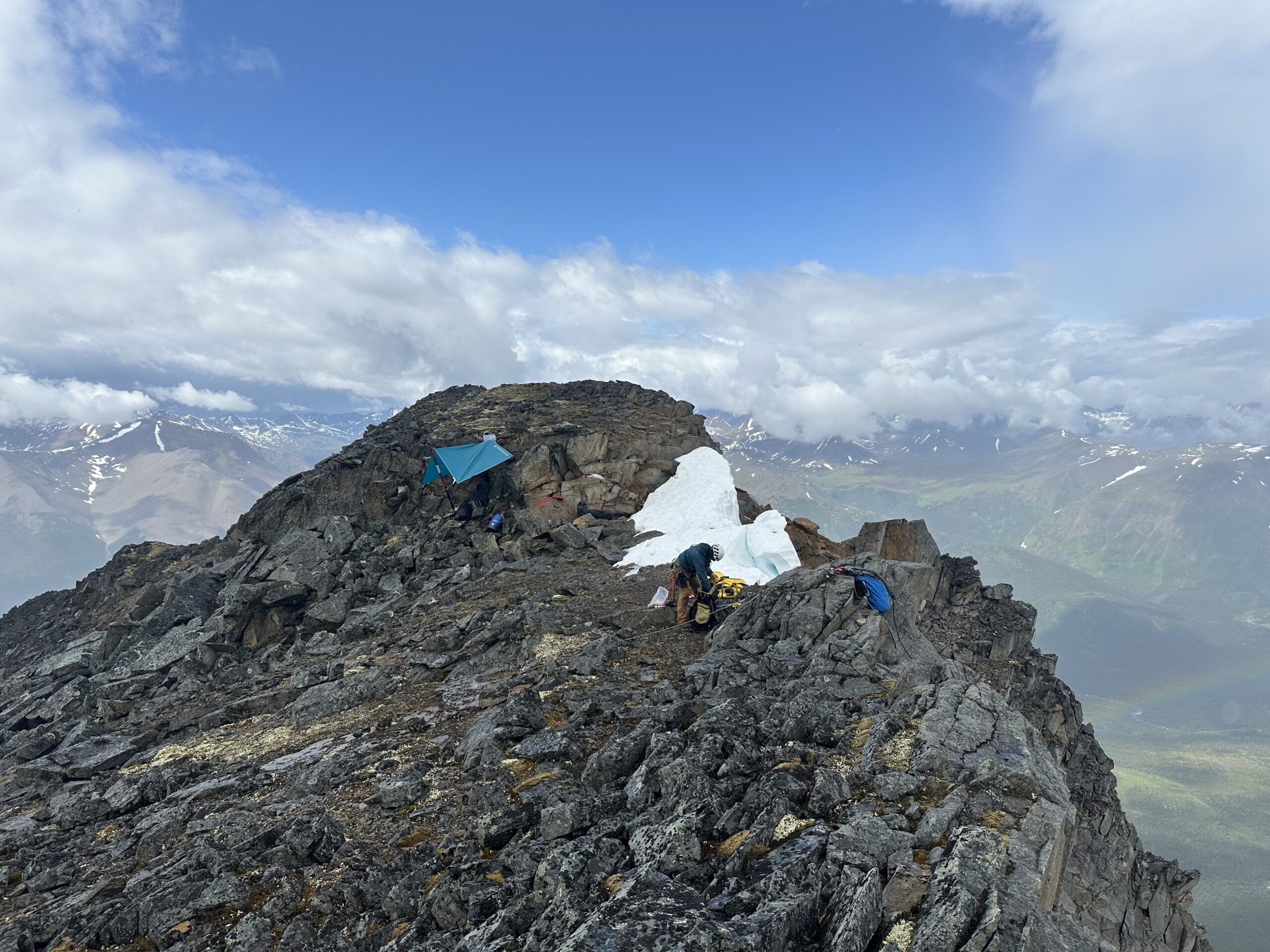
Camp Planning and Design
Cost Analysis and Equipment Selection
We work with your project geologists or geophysicists to establish optimal grid spacing, orientation, and coverage for your exploration objectives. Grids are designed to account for terrain constraints, target geometry, and survey methodology while minimizing unnecessary cutting.
Capacity and Configuration
Camps accommodate 20-50 people, depending on program scope. Early-stage reconnaissance programs typically need smaller, more portable setups. Active drilling operations with multiple crews require larger installations with dedicated facilities for different functions. We design camp size and configuration around your actual operational requirements rather than forcing programs into standardized templates.
Mobilization Planning
Remote camp mobilization requires coordinating helicopter lifts, equipment staging, and construction sequencing. We plan mobilization logistics considering site access constraints, weather windows, and program start dates. Equipment is selected and packaged for efficient helicopter transport to fly-in locations or configured for truck and ATV access where road or trail networks exist.
Complete Camp Infrastructure
Living and Working Facilities
Standard camps include sleeping quarters (configuration depends on crew size and client preferences), kitchen and dining facilities with appropriate capacity for crew size, shower and sanitation facilities, office and communications space, and heated work areas. Drilling programs receive dedicated core shacks with sample processing facilities, storage areas, and proper lighting for core logging work.
Power and Communications
Generator systems sized for camp electrical load, backup power capacity for critical systems, and fuel storage appropriate to program duration and resupply logistics. Communications infrastructure supports satellite phone and internet connectivity where required for operational coordination and safety protocols.
All-Weather Northern Capability
Northern camps face conditions that would shut down operations further south. Our installations are engineered for sustained operation through extreme weather: high winds, heavy snow loads, temperature swings from +30°C to -40°C, and months of continuous use in locations accessible only by helicopter. Every camp includes backup systems for critical infrastructure, proper insulation and heating for year-round habitability, and equipment selected for reliability in remote conditions.
Frequently Asked Questions
What's the difference between line cutting and timber clearing?
Line cutting creates narrow (typically less than 1.5m wide) survey corridors with precise GPS locations and regular picketing for geophysical surveys and sampling programs. Timber clearing removes larger areas for drill pads, camp sites, or access roads. We provide both services, often on the same exploration program, but they serve different purposes and require different techniques.
How accurate are your survey grids?
Our grids are established using GPS positioning, with accuracy appropriate for exploration survey requirements, typically within 1-3 metres, depending on terrain and canopy conditions. Compass bearings and survey methods ensure lines maintain bearing between picket stations. We verify grid accuracy at intersections and provide coordinate documentation for your survey contractors.
Can you cut grids in steep or heavily timbered terrain?
Yes. Our line-cutting crews routinely work in steep alpine terrain, old-growth coastal forests, and dense northern bush. Challenging terrain requires experienced cutters who can maintain accurate bearings and safe cutting practices on slopes and in heavy timber. This is standard work for our crews.
Do you provide geophysical surveys after the grid is cut?
We coordinate geophysical surveys, with optional UAV-based surveys, to provide high-resolution data at costs far below traditional ground-based methods. For specialized surveys requiring equipment we don’t operate directly, we can recommend qualified contractors or work with your preferred survey providers. The advantage of using Minconsult is seamless coordination: the crews who cut your grid understand how survey requirements drive line placement and accuracy.
How quickly can you establish a grid for an upcoming survey program?
Grid establishment timelines depend on total line kilometres, terrain difficulty, and access logistics. As a rough guide, experienced crews can cut about 2-3 kilometres per day in moderate terrain, with steep or dense conditions reducing daily production. For urgent programs or surveys with fixed schedules, contact us with your grid specifications, and we’ll confirm achievable timelines.
Can you re-establish old grids from previous exploration programs?
Yes. We regularly re-establish grids from historical exploration work, locating old picket stations or lines using archival coordinates and cutting new lines where vegetation has reclaimed corridors. This work requires crews experienced in reading old survey documentation and adapting to partial existing infrastructure.
Get Your Grid Established Right
Accurate survey grids set up successful exploration programs. Our experienced line-cutting crews are ready to establish the coordinate framework your surveys depend on.